6 hr
Alicante to Tabarca Island Ferry with Glass-Bottom Viewing
- Expert local guide
- Small group
- Skip-the-line access
- Free cancellation
Boat Trip Alicante to Tabarca — Ferry & Catamaran Crossings
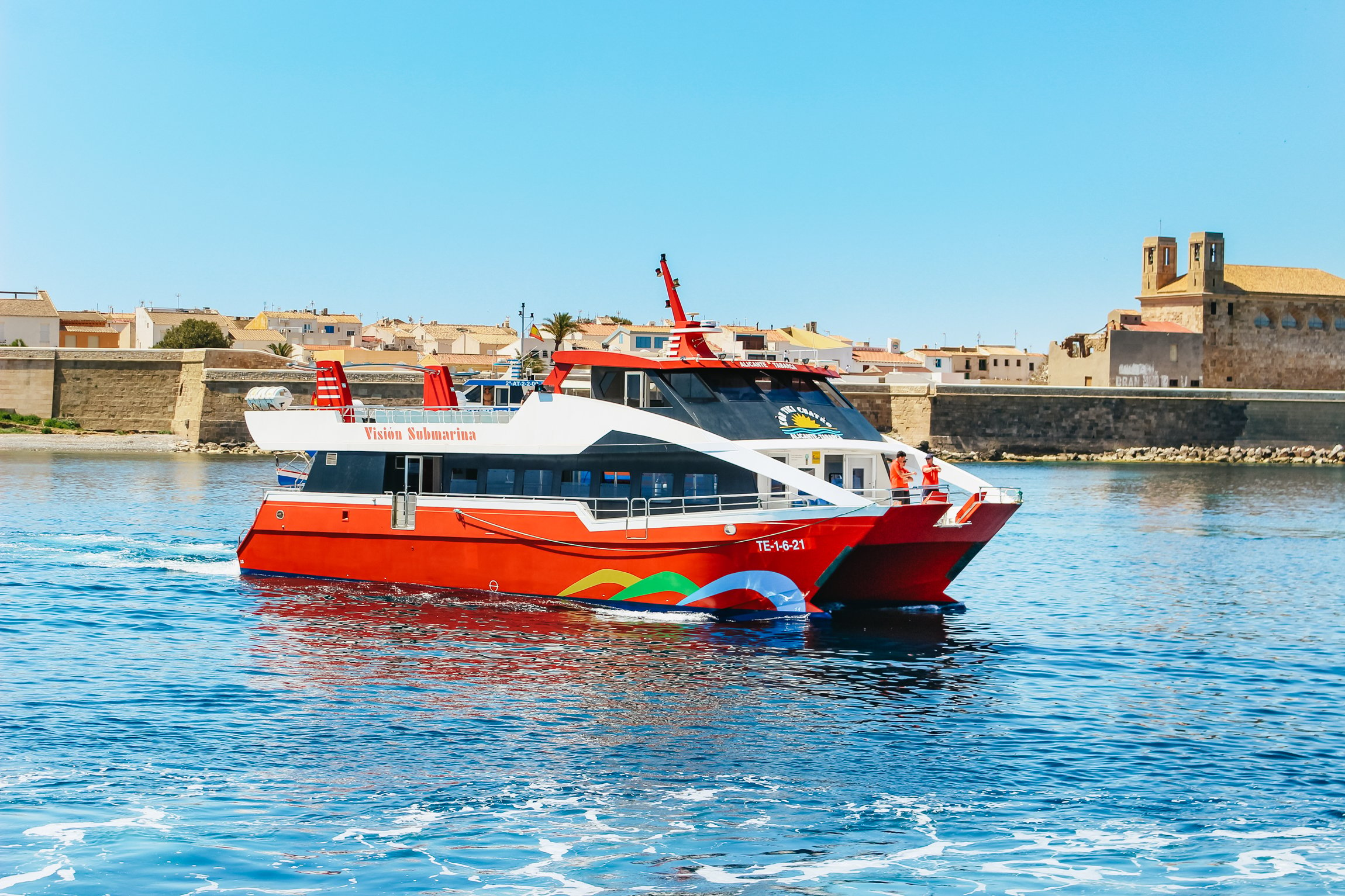
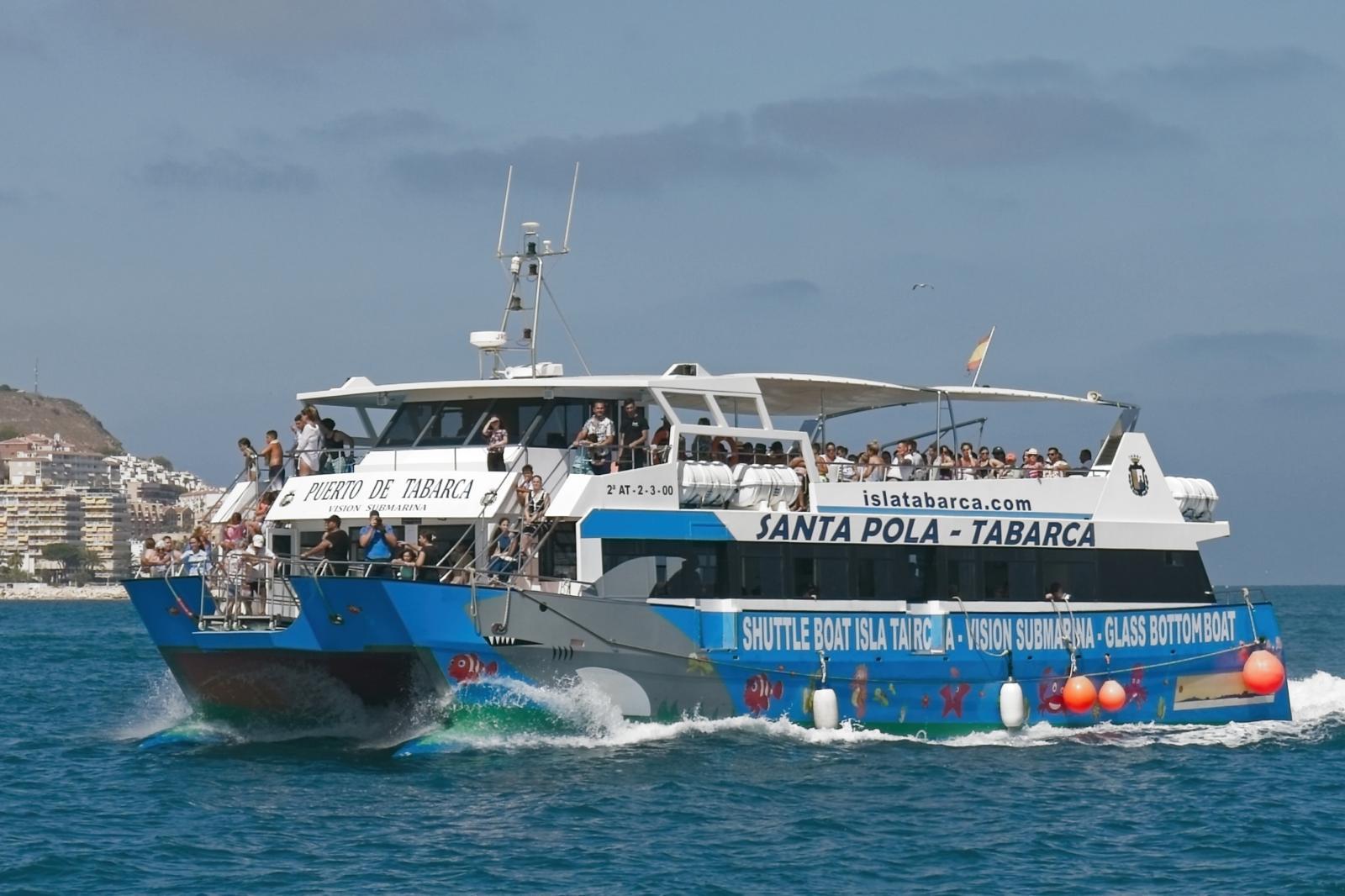
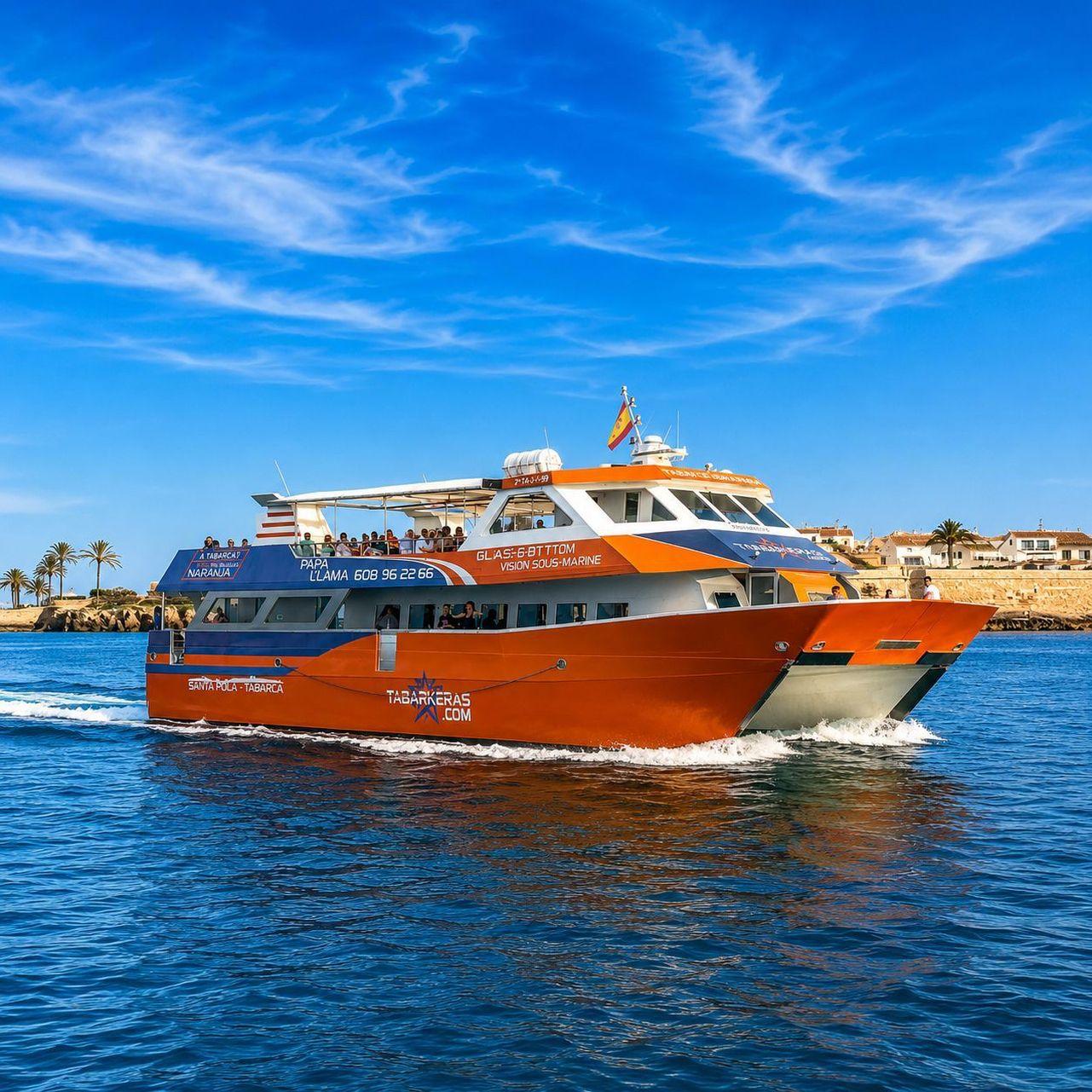
Glass-bottom vessels cross to Spain's smallest marine reserve, where coral beds meet medieval stone.
Compare fares, pick the fit — all bookings are mobile-voucher and eligible for free cancellation where shown.
6 hr
15 min
25 min
Selecting the right boat trip alicante to tabarca allows you to balance your schedule while exploring the marine reserve of this Mediterranean destination. Visitors typically choose between the standard round-trip ferry for independent island exploration or specialized packages that bundle maritime transit with additional amenities.
|
Top pick Standard Ferry Flexible Round-Trip |
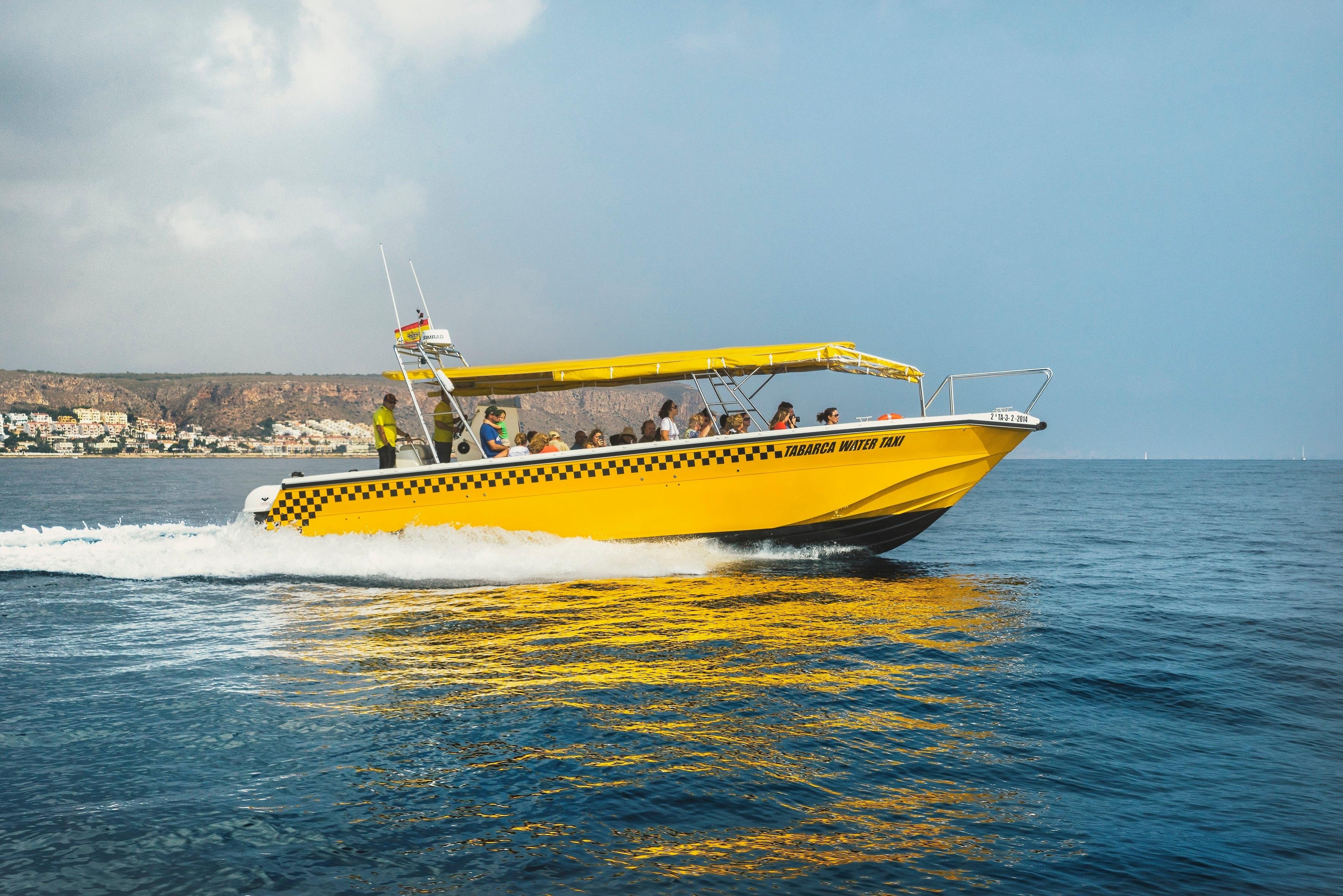
Premium Excursion Guided Snorkel Tour | |
|---|---|---|
| Price per person | 24 EUR | 55 EUR |
| Travel Duration | 1 hour each way | 4 hours total |
| Access Method | Confirmed date and time | Scheduled group departure |
| Return Flexibility | Open return available | Fixed return schedule |
| Inclusions | Round-trip passage | Snack, drink, and snorkel gear |
| Best for | First-timers and independent explorers | Active travelers seeking water activities |
| See tickets & prices |
Verdict: For most visitors, the standard boat trip alicante to tabarca tickets offer the best value, providing the freedom to enjoy the island at your own pace with a flexible return.
Worth it for marine life enthusiasts
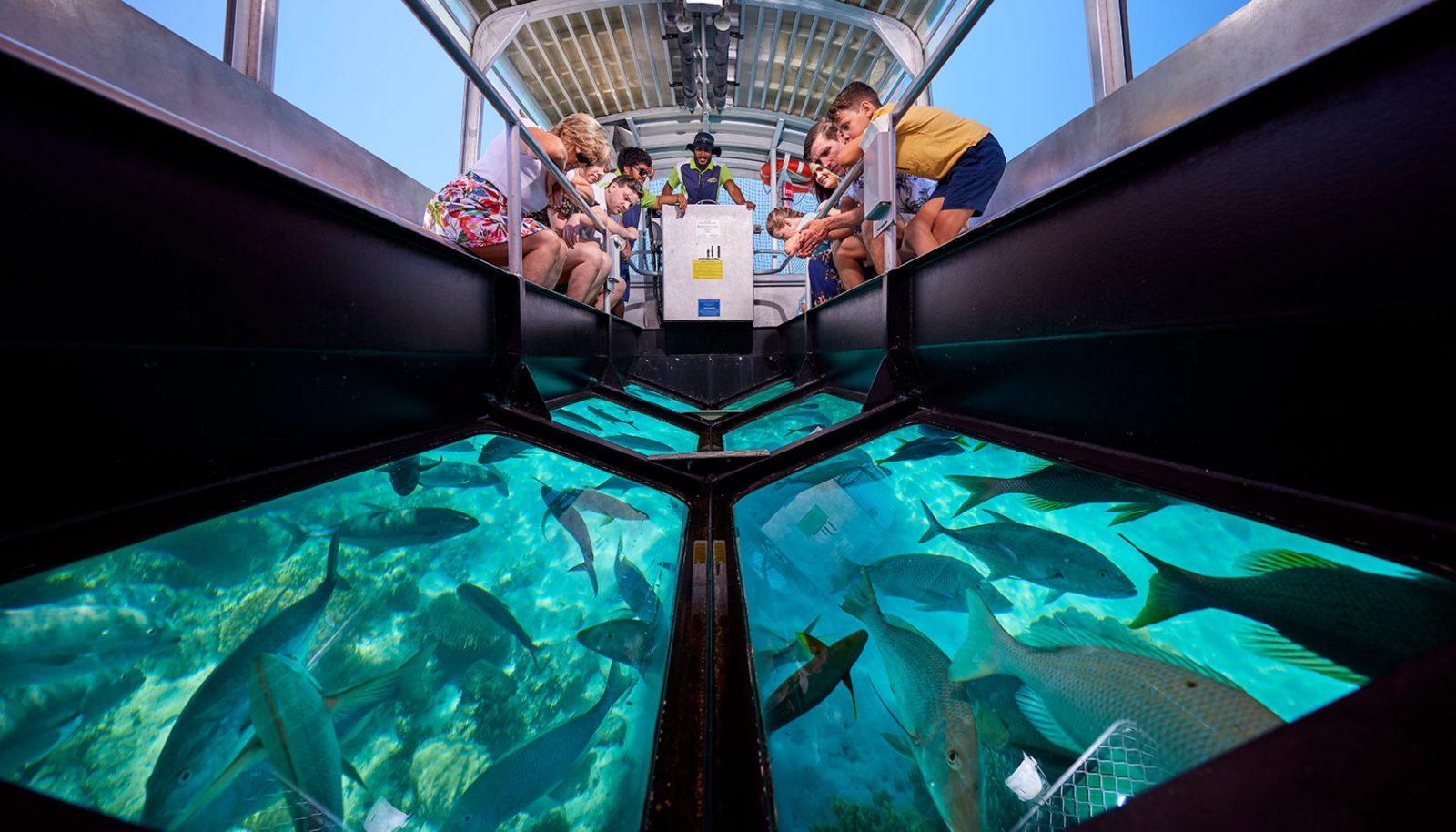
A boat trip Alicante to Tabarca delivers access to Spain's smallest inhabited marine reserve, where protected waters shelter grouper, octopus, and sea bream visible through glass-bottom viewing panels during the crossing. Round-trip ferry tickets start at €24 from Alicante's port, with operators like Kontiki departing daily between 10:00 and 18:00. The underwater vision experience distinguishes this from standard island shuttles—you're paying for the marine reserve encounter as much as the destination itself. For beachgoers seeking only sun and sand, the 45-minute crossing and limited island infrastructure (no major facilities beyond a few restaurants) may feel lean. But for snorkelers, divers, and anyone drawn to Mediterranean biodiversity, Tabarca Island tours justify the cost: the reserve's clarity and fish density rival pricier dive sites, and the return water taxi simplicity (no car rental, no parking hassles) makes it a low-friction day trip. Most visitors report the glass-bottom segments alone repay the ticket price, especially on morning departures when light penetration peaks.
Bottom line: If you value marine ecosystems over resort amenities, boat trip alicante to tabarca tickets deliver tangible biodiversity access at a transparent price.
The longer cruise from Alicante offers a leisurely coastal journey, while the Santa Pola transit provides the fastest access to the marine reserve. These options complement each other; visitors often find the Santa Pola route more practical for time-sensitive travel while preferring the Alicante experience for its scenic departure.
|
Top pick Alicante Ferry |
Santa Pola Ferry | |
|---|---|---|
| Travel duration | 60 minutes | 15–20 minutes |
| Cost per person | 24 EUR | 15 EUR |
| Convenience for city-based visitors | High (central port) | Requires regional transport to Santa Pola |
| Frequency of departures | Scheduled daily services | High frequency throughout the day |
| Sea conditions | Open Mediterranean crossing | Short channel passage |
| See tickets & prices |
Verdict: Choose the boat trip alicante to tabarca tours if you prefer a scenic cruise from the city center, or select the Santa Pola transit for a quick boat trip alicante to tabarca tour that minimizes time on the water. Regardless of the boat trip alicante to tabarca tickets you purchase, the island's snorkeling and protected coastal waters remain the primary draw.
Hand-picked experiences loved by thousands of travelers
25 minutes each way
Free Cancellation
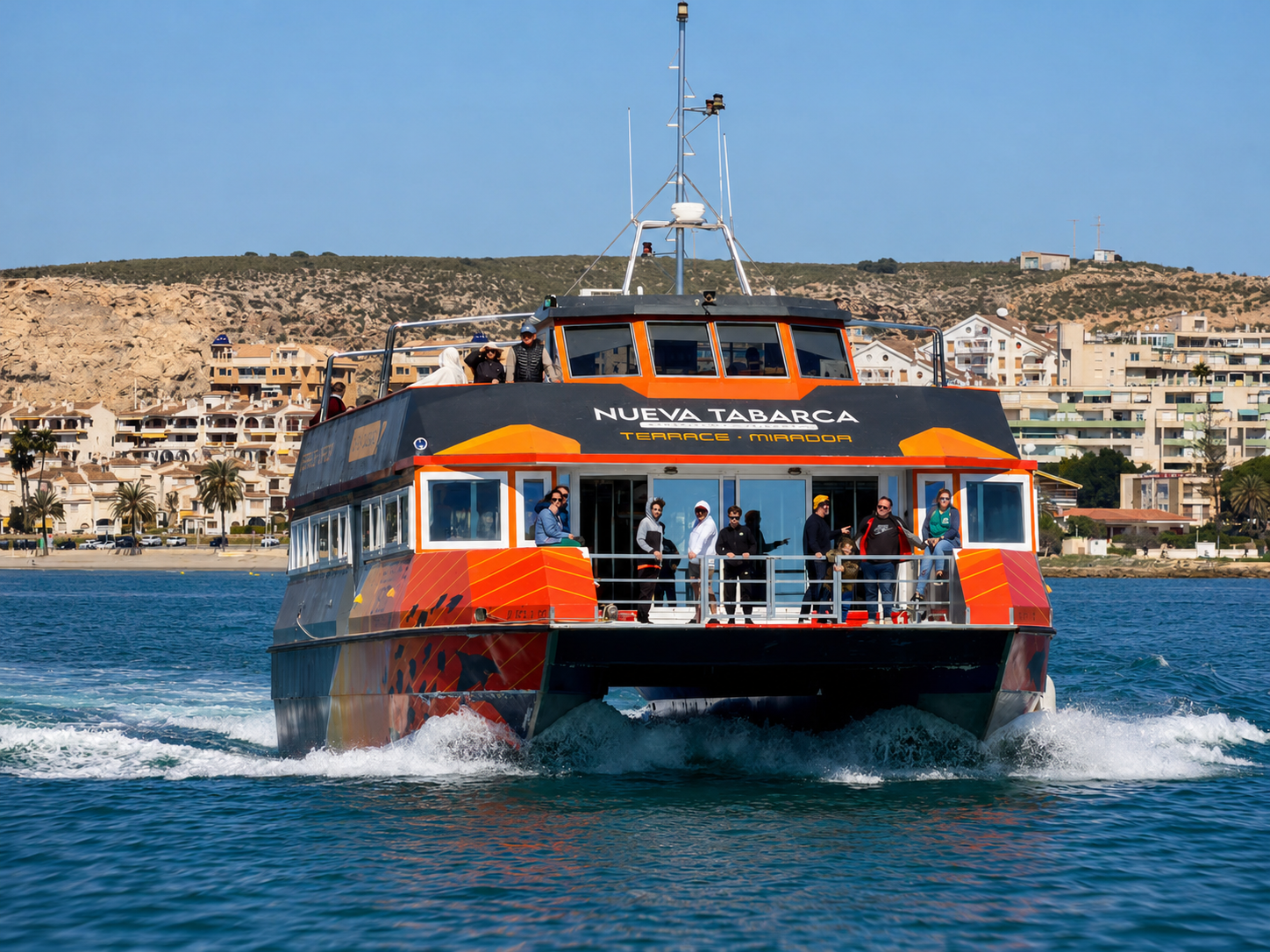
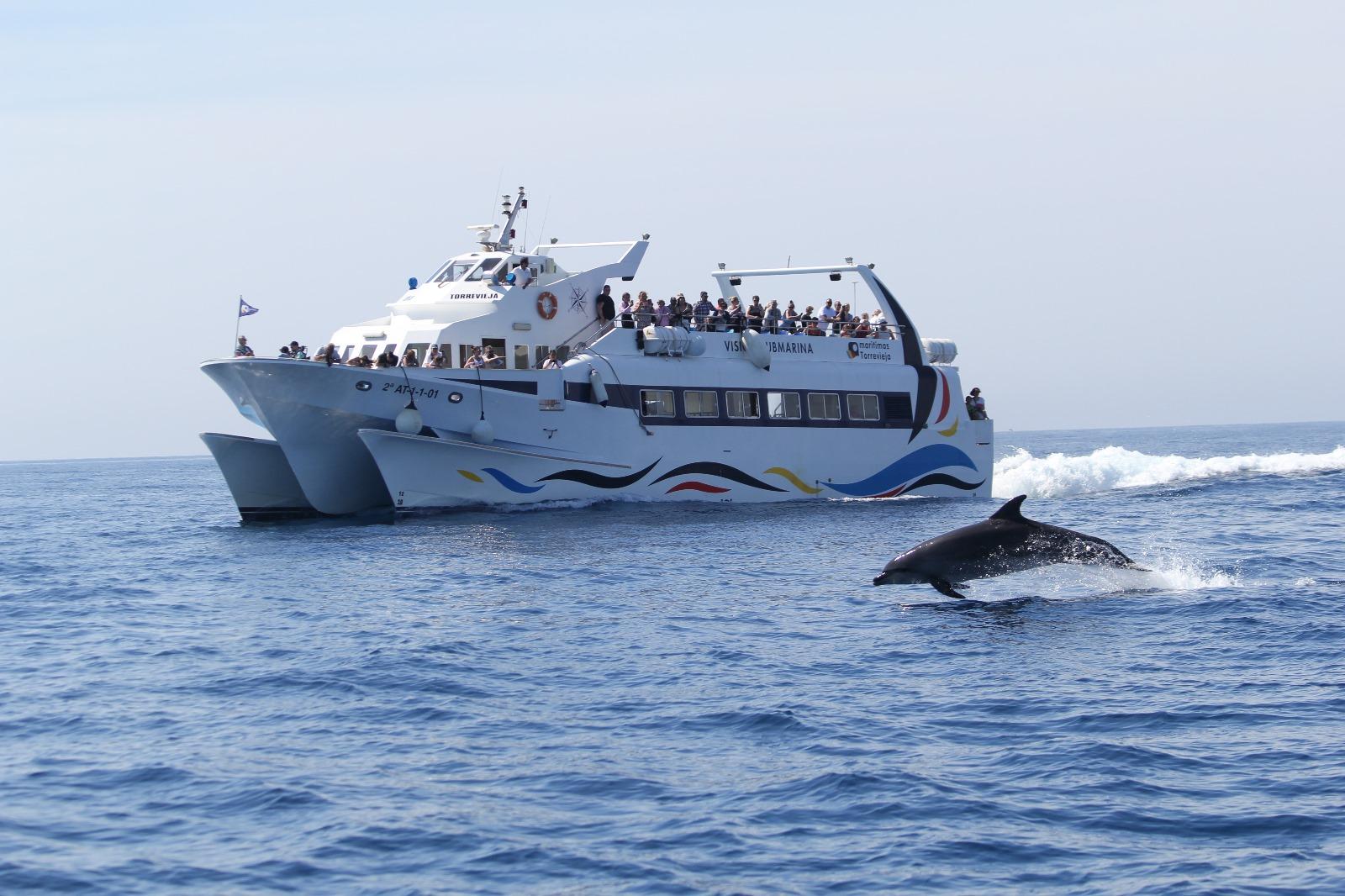
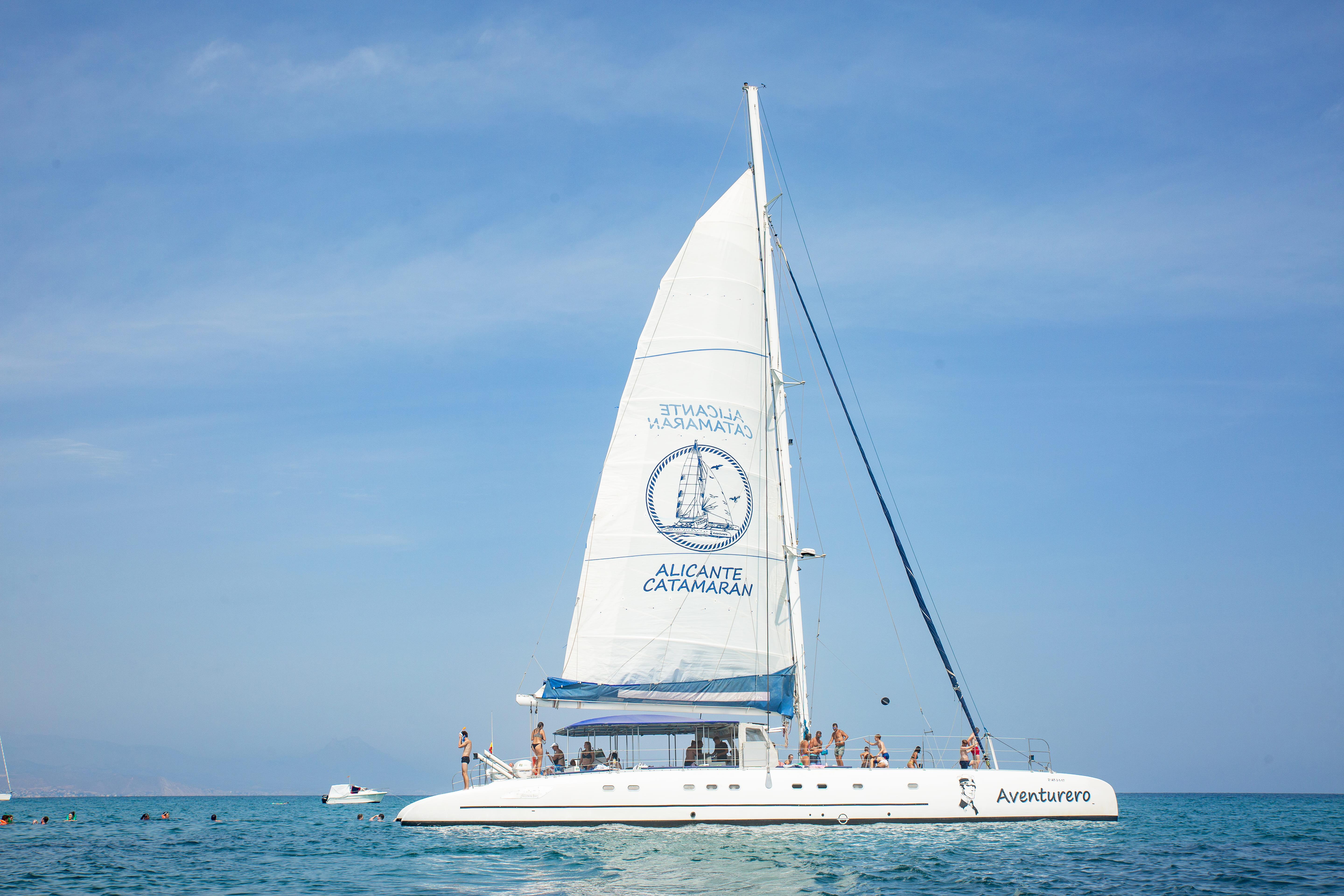
Sail to Tabarca Island aboard a glass-bottom boat with underwater viewing windows through a protected marine reserve.
Flexible duration with multiple daily departures
Free Cancellation
Sail to Valencia's only inhabited island aboard a catamaran with submerged windows to see marine life
7.5 hours
Free Cancellation
Cruise to a protected Mediterranean island aboard a glass-bottom catamaran and explore at your own pace
1 hour 20 minutes
Free Cancellation
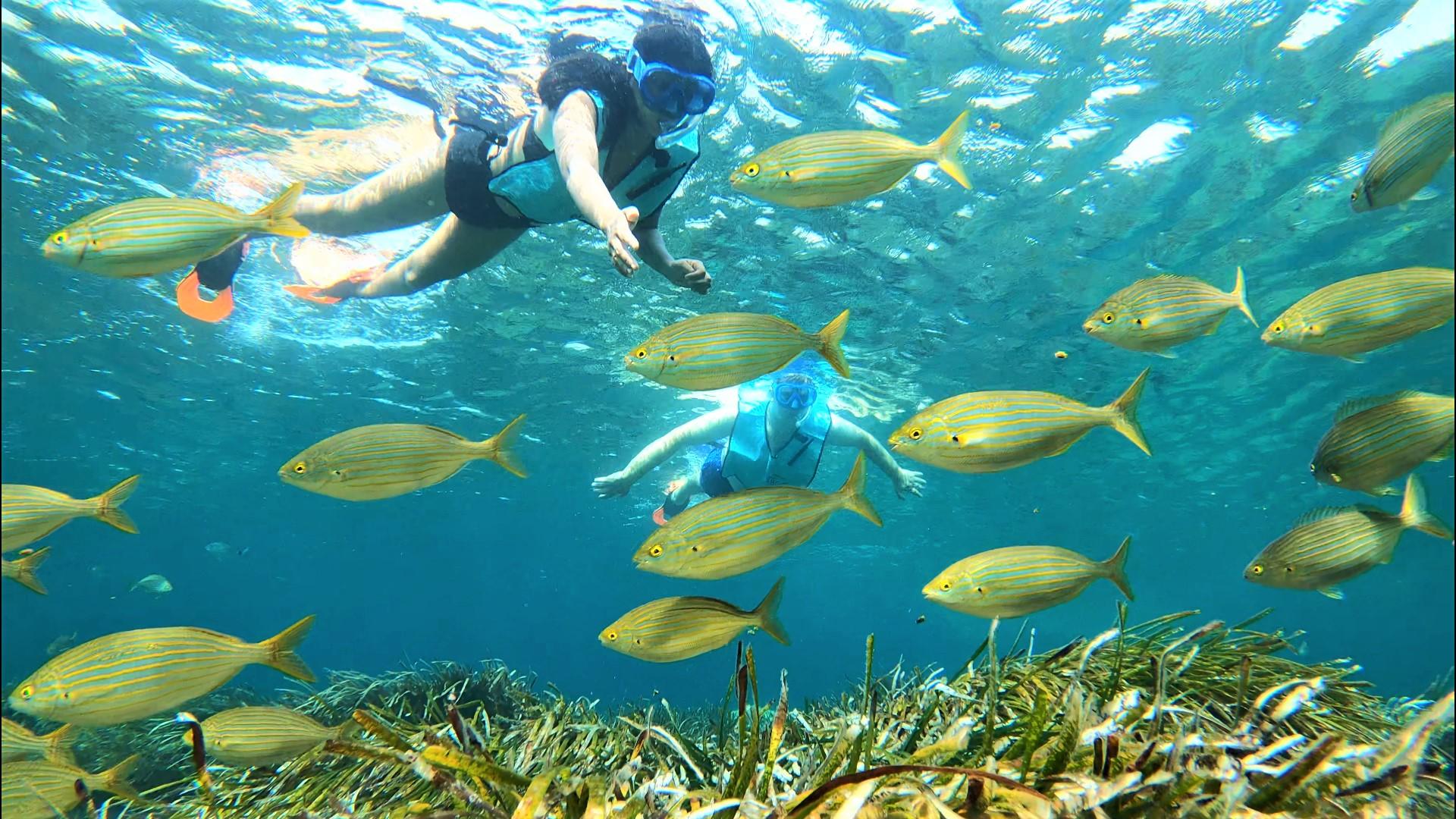
Swim through a protected Marine Reserve with expert instructors and explore vibrant underwater caves
6 hours
Free Cancellation
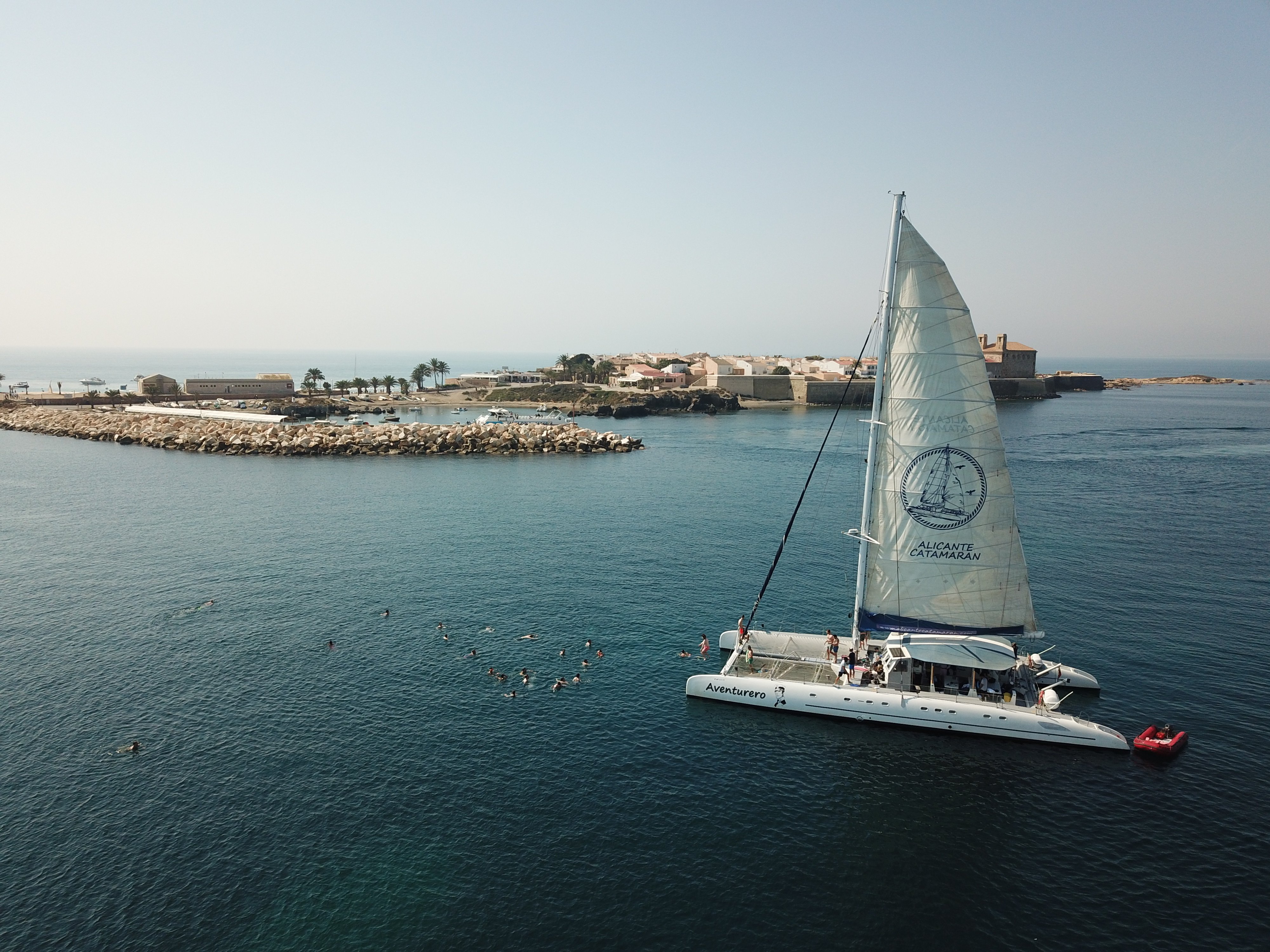
Six-hour sailing adventure to Spain's first marine reserve with paella lunch and snorkeling
3 hours
Free Cancellation
Three-hour coastal voyage with swimming, snorkeling, and stunning Mediterranean views from Alicante
2 hours
Free Cancellation
Two-hour sunset cruise along Spain's stunning coastline with swimming, drinks, and coastal views
1.5 hours
Free Cancellation
Explore Alicante's historic center, beaches, and castle views in a fun 90-minute tuk-tuk ride
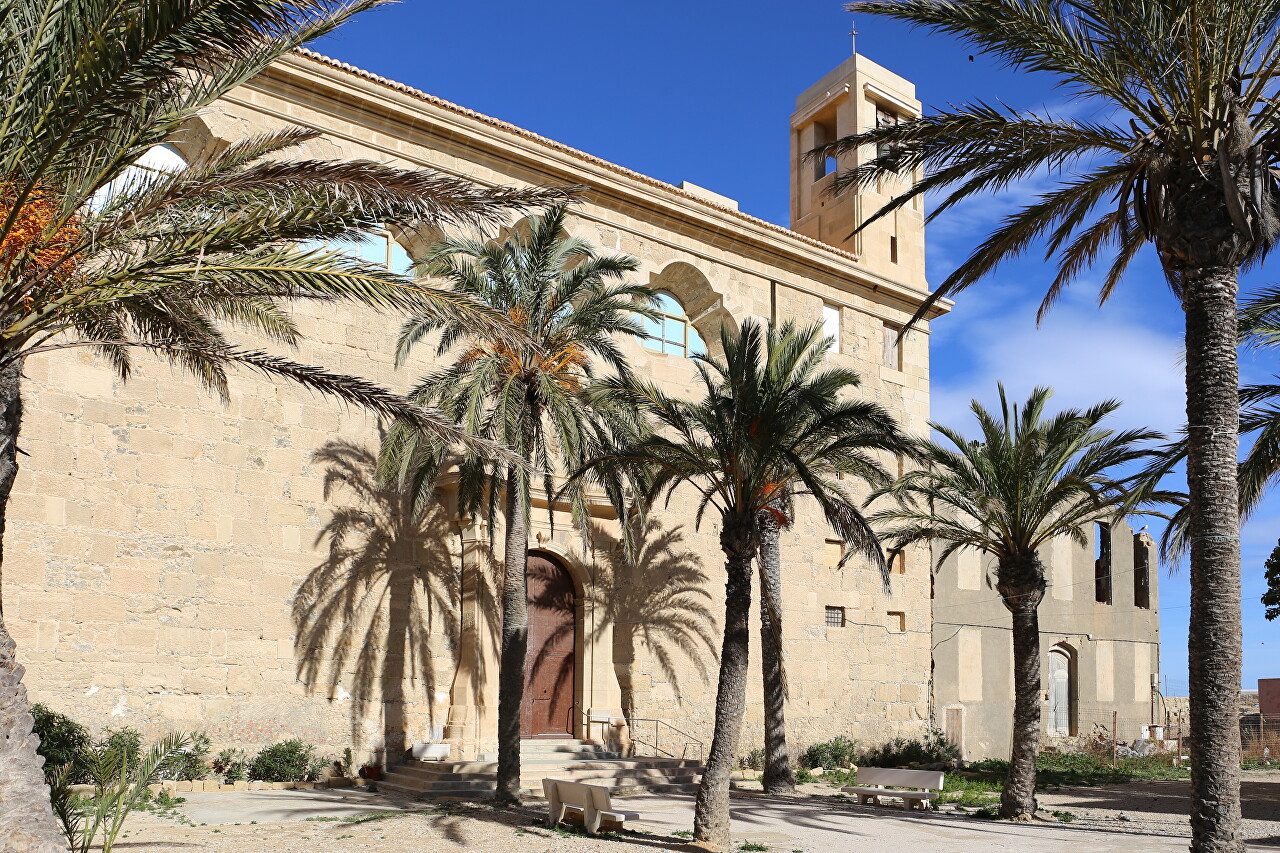
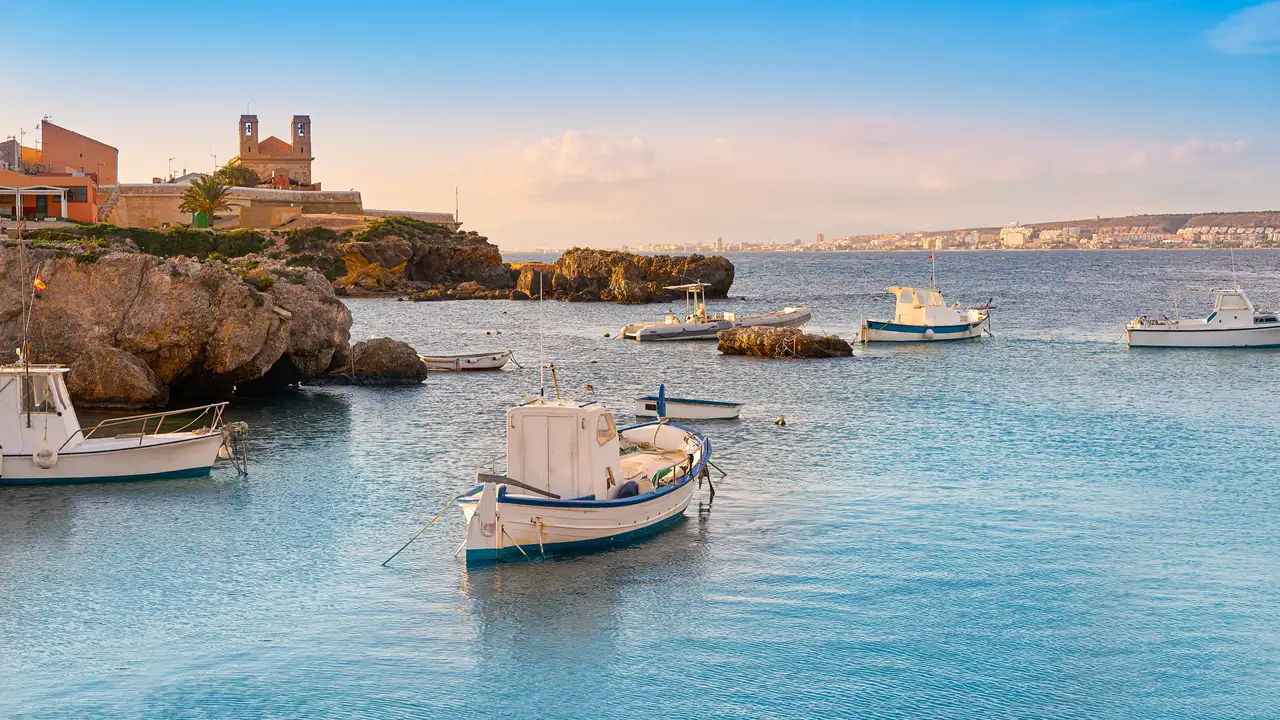
An 18th-century baroque structure that serves as the most emblematic building on the island.
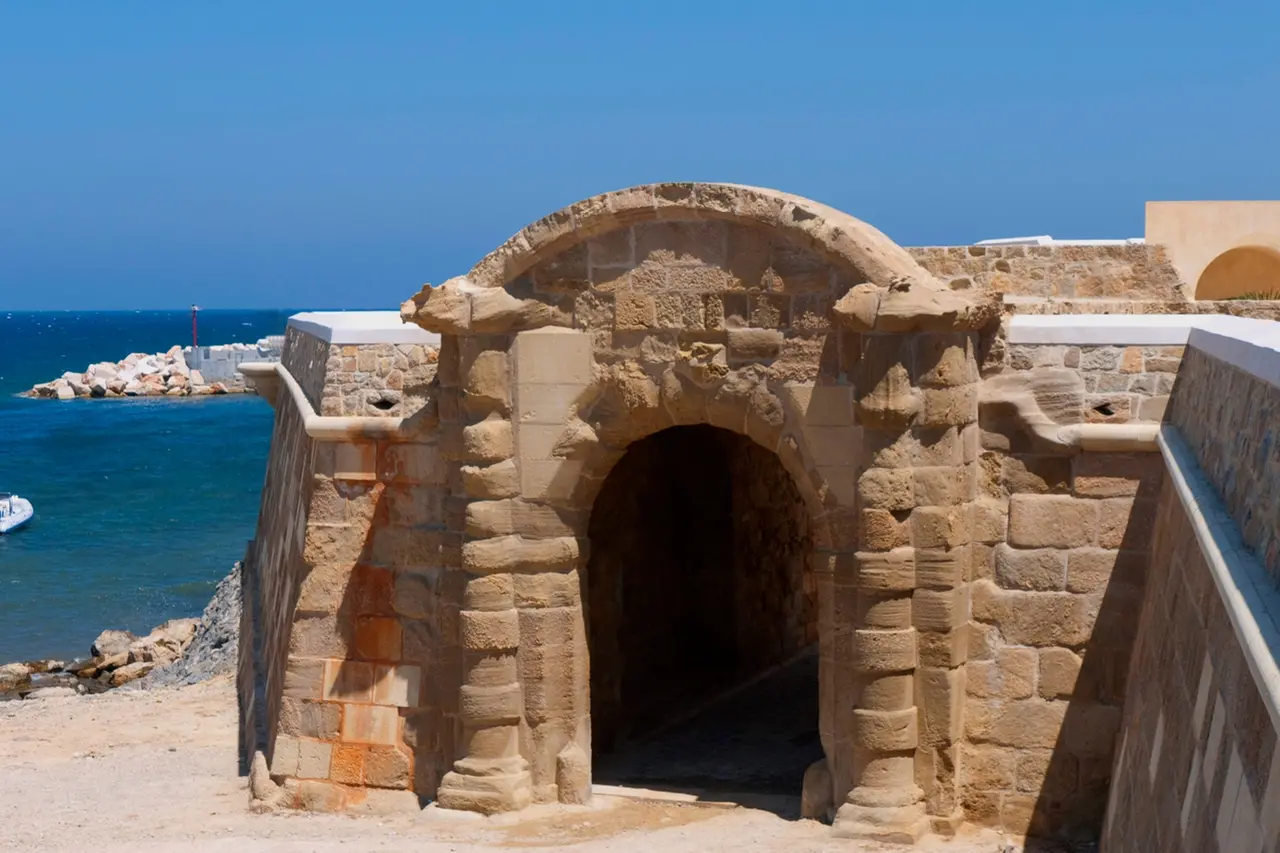
One of the original defensive gates providing historical access to the fortified village.
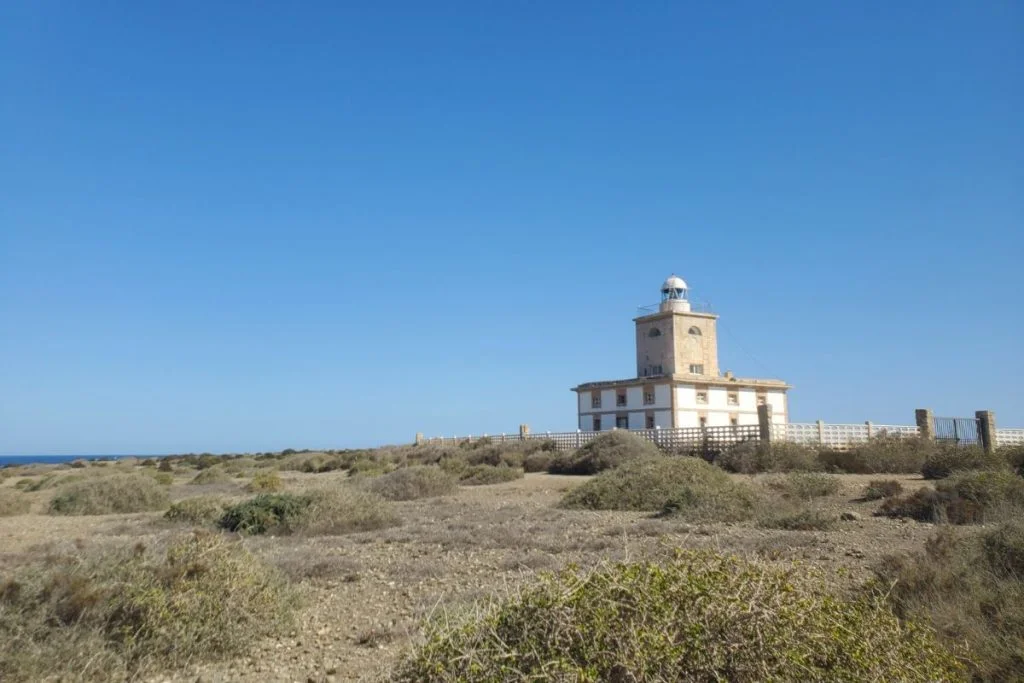
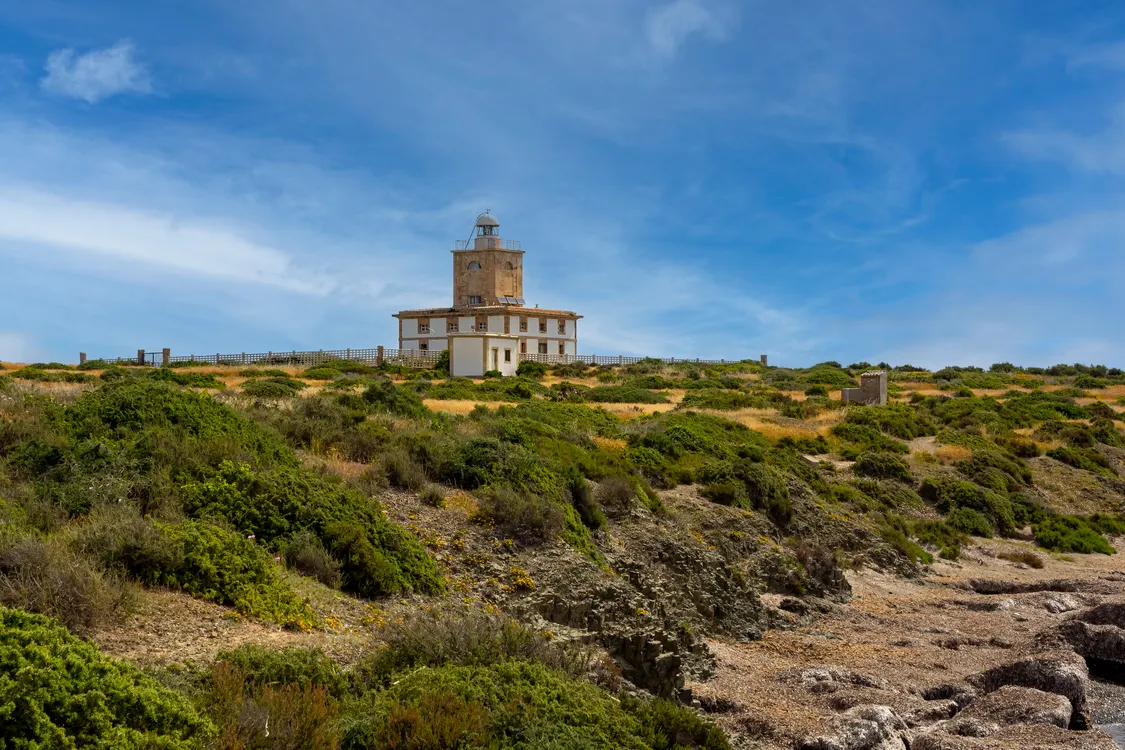
A 19th-century beacon located on the wilder, uninhabited eastern side of the island.
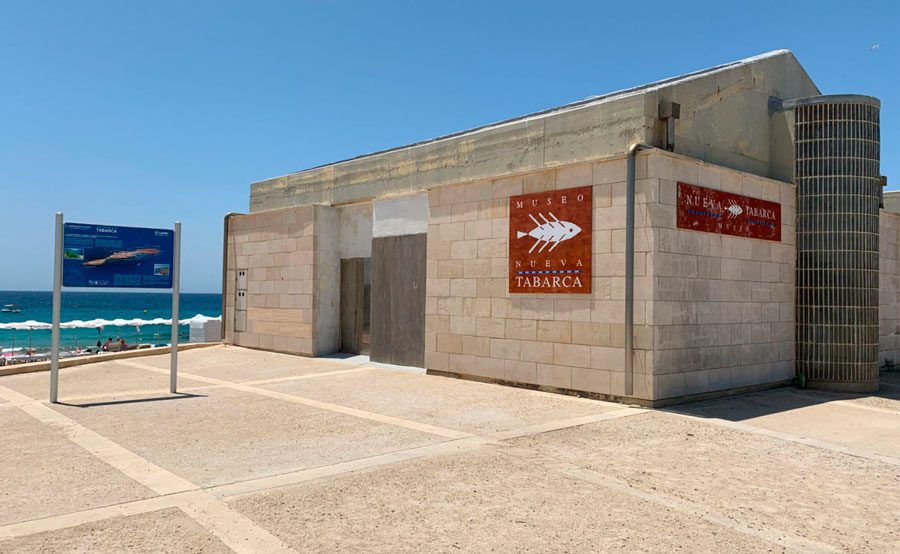
Located in a historic tuna fishery, this museum displays regional archaeological artifacts.
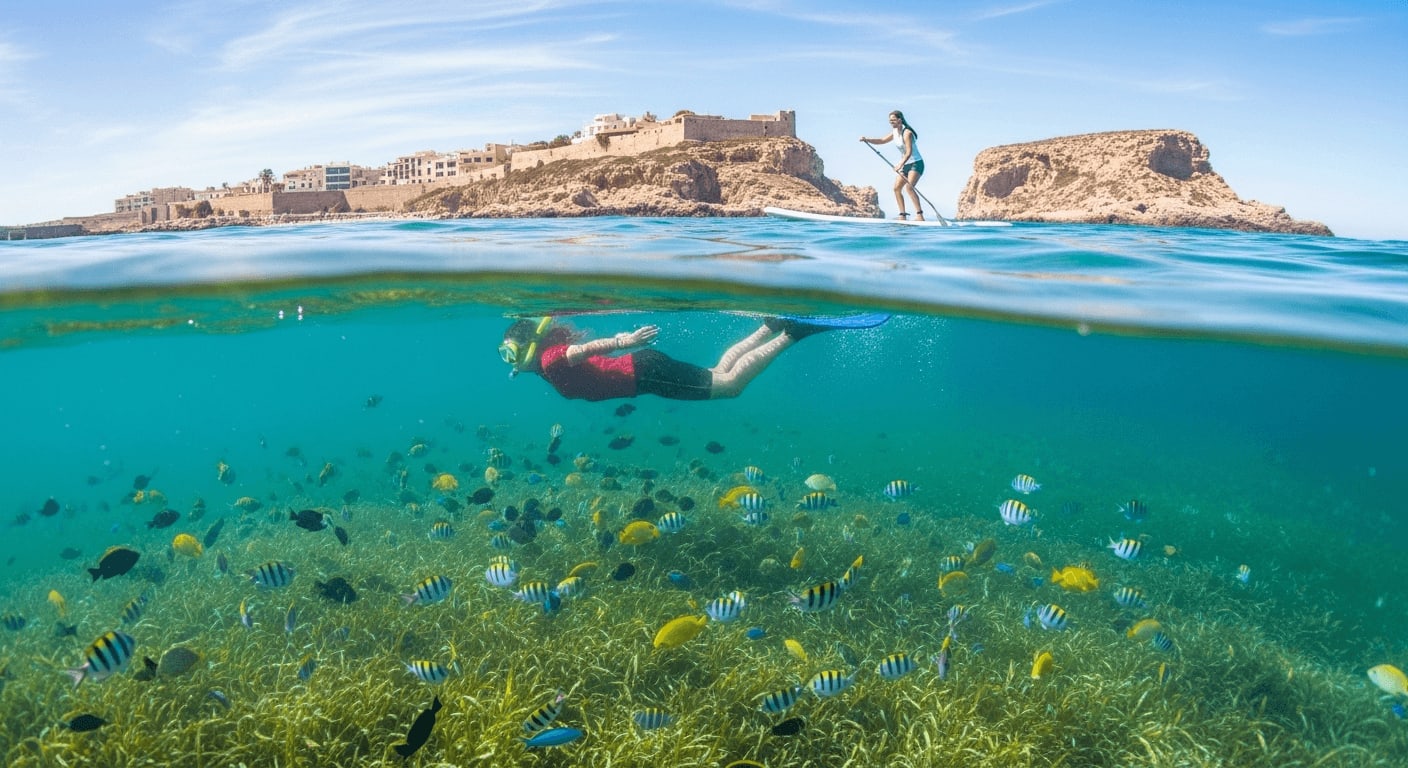
The first designated marine reserve in Spain, renowned for posidonia meadows and diverse fish.
All the details about your upcoming adventure in one place
Tabarca was a fortified refuge for Genoese prisoners in 1768, built by Carlos III to guard the eastern Mediterranean flank against Barbary raids.
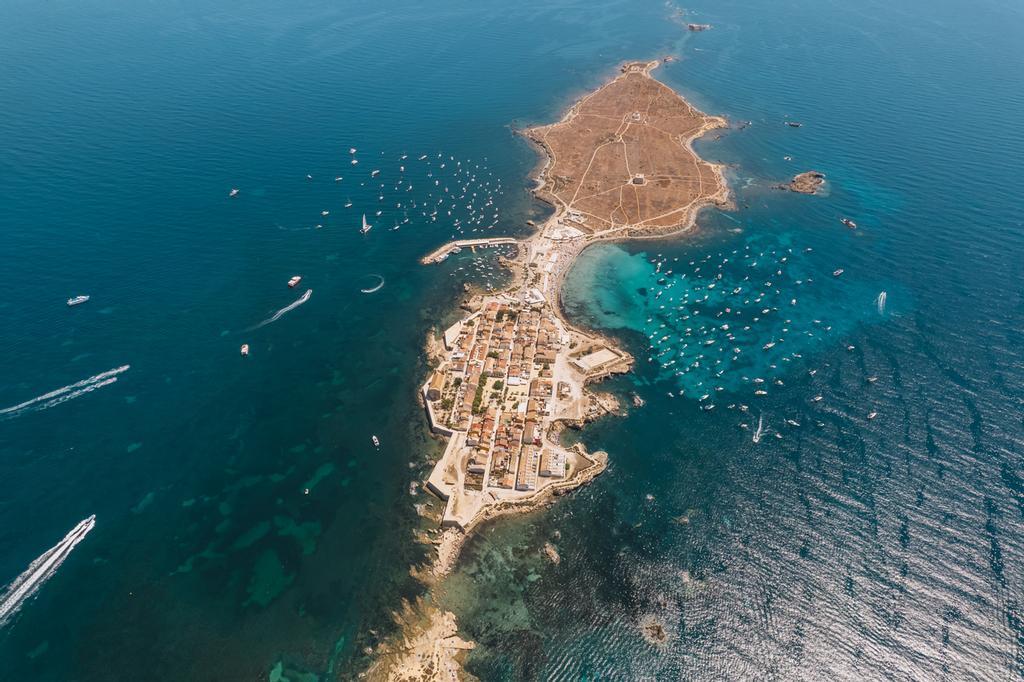
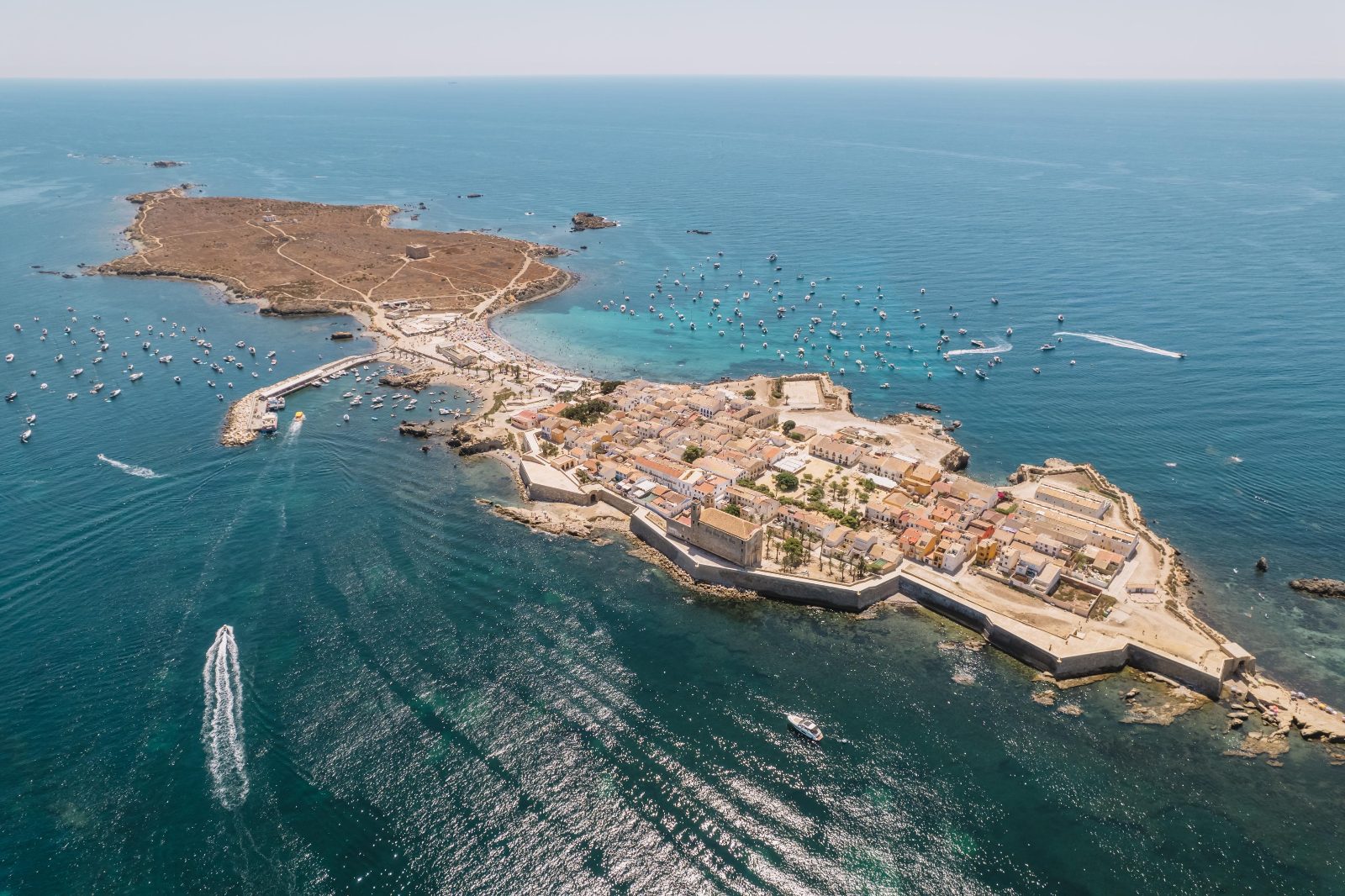
The island's perimeter walls and bastioned gates survive intact, enclosing eighteen hectares of whitewashed dwellings and a baroque church dedicated to San Pedro and San Pablo. What began as a penal colony evolved into a fishing enclave by the nineteenth century, and in 1986 the surrounding waters became Spain's first declared marine reserve, protecting 1,400 hectares of Posidonia oceanica meadows that stabilize the seabed and shelter grouper, octopus, and endangered loggerhead turtles.
Today, boat trip Alicante to Tabarca services depart from Alicante's Puerto and Santa Pola's harbour, with glass-bottom catamarans offering underwater visibility into the coral formations and endemic species that justify the reserve's protection. The crossing from Alicante takes fifty minutes; Santa Pola departures shorten the journey to thirty. Ferry operators run year-round schedules, though winter months see reduced frequency and occasional cancellations when the Levante wind drives swells above one metre.
The island's fortifications exemplify eighteenth-century military engineering adapted to maritime constraints. The governor's house, powder magazine, and garrison barracks form a compact defensive nucleus within the walls, while the fishing quarter spreads along the harbour mole. Restoration work completed in 2014 stabilized the western bastion and cleared centuries of accumulated silt from the moat. The marine reserve's underwater trails, marked by submerged buoys, guide snorkellers past rock formations colonised by sponges, anemones, and the red coral that once funded Tabarca's economy before overharvesting led to the 1986 protection order.
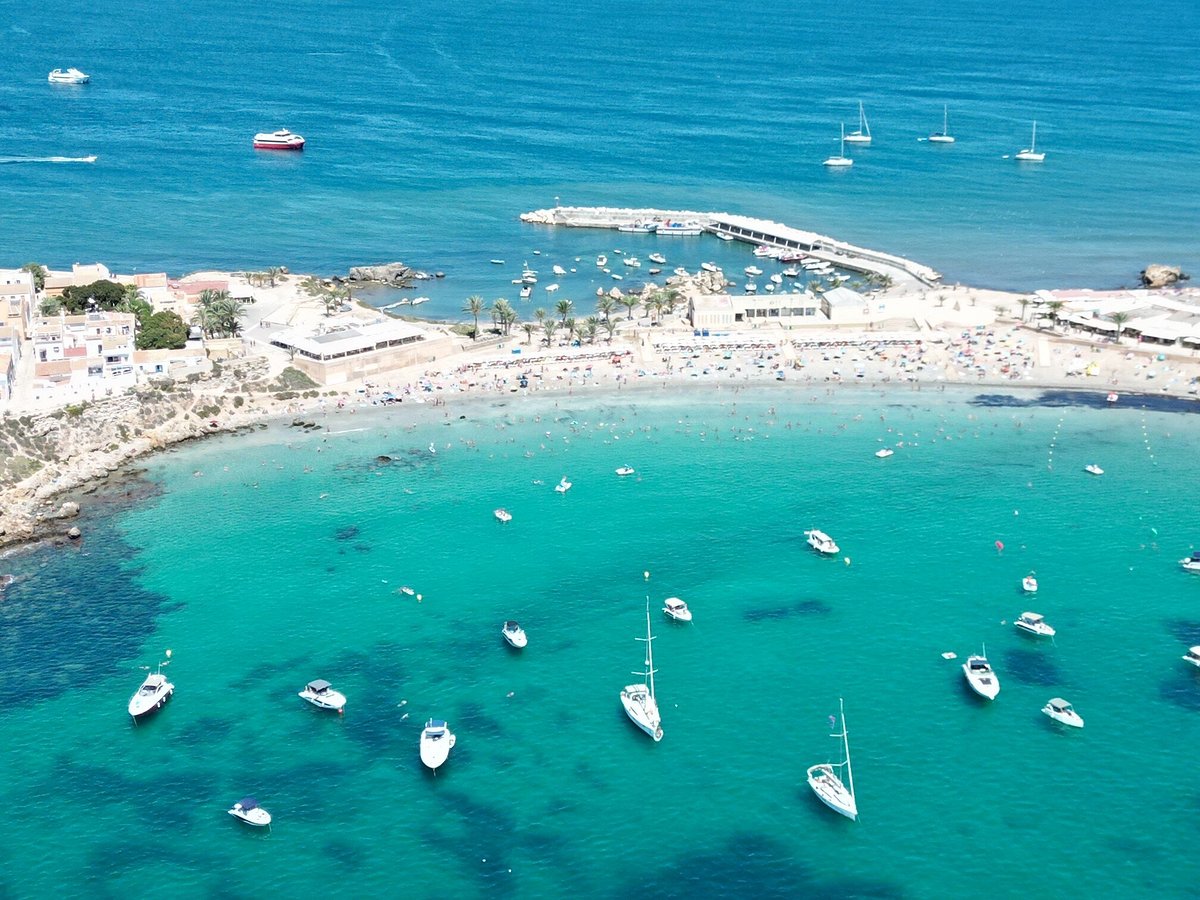
Tabarca island tours operate most reliably between April and October, when flat seas and extended daylight allow exploration of the reserve's three zones: the eastern meadows reserved for scientific study, the western recreational zone open to swimmers, and the southern buffer area where traditional fishing remains permitted under quota. The island's resident population, now below fifty year-round inhabitants, swells to several thousand on summer weekends, when ferry schedules expand to meet demand from visitors drawn by the combination of historical architecture and marine biodiversity that distinguishes Tabarca from the Costa Blanca's resort beaches.

Spain's first marine reserve protects 1,400 hectares of Posidonia meadows that shelter grouper, octopus, and endangered loggerhead turtles.
Cancel up to 24 hours in advance for a full refund. All trips are subject to possible changes or cancellation due to weather.
Tabarca Island rose from obscurity in 1768 when Charles III ordered its fortification and settlement by Genoese families ransomed from Tunisian captivity. The king commissioned engineer Fernando Méndez de Ras to design a walled town laid out in a strict grid, its bastions and gates intended to repel Barbary corsairs who had used the islet as a staging post for raids on the mainland. By 1770, sixty-nine families had moved into stone houses within the walls, earning their livelihood from fishing and salt production. The settlement bore the original name Nueva Tabarca, commemorating the North African island of Tabarka from which the settlers had been freed. The 19th century brought gradual decline. Piracy waned, the garrison withdrew in 1850, and the population dwindled to fewer than two hundred souls by 1900. The island's lighthouse, erected in 1854 on the eastern cape, became the sole indicator of state interest. Fishing remained the economic backbone, yet isolation kept Tabarca peripheral to Alicante's commercial growth. In 1964, the underwater meadows surrounding the island earned Spain's first marine reserve designation, protecting Posidonia oceanica beds critical to Mediterranean fish stocks. That legal shield transformed the island's future. Modern boat trip Alicante to Tabarca services began in earnest during the 1980s, when improved ferry infrastructure made day visits practical for mainland tourists. The walled town was declared a historic-artistic site in 1964, compelling restoration of the crumbling gates and church. By 2000, summer populations swelled to over three thousand daily visitors, straining the island's freshwater and waste systems. In 2004, regional authorities capped daily ferry capacity and imposed mooring quotas to prevent ecological collapse. Today, the round-trip passage from Alicante port takes forty-five minutes each way, and the marine reserve remains Spain's most visited protected seascape, balancing heritage conservation with controlled tourism. The stone grid laid out under Charles III still defines the town, its narrow streets and renovated bastions testimony to a settlement born from ransom and reinvention.
Charles III orders fortification of Tabarca and settlement by Genoese families freed from Tunisian captivity.
Sixty-nine families occupy the walled grid town designed by engineer Fernando Méndez de Ras.
Tabarca lighthouse erected on the eastern promontory to guide Mediterranean shipping.
Spain declares the island's waters its first marine reserve, protecting Posidonia meadows.
Regular ferry services from Alicante port establish boat trip Alicante to Tabarca tours as a mass-tourism route.
Regional government imposes daily visitor caps and mooring quotas to prevent ecological damage.
Capture the structure against the Mediterranean horizon from the southern coastal path. This viewpoint highlights the island's isolation and maritime heritage.
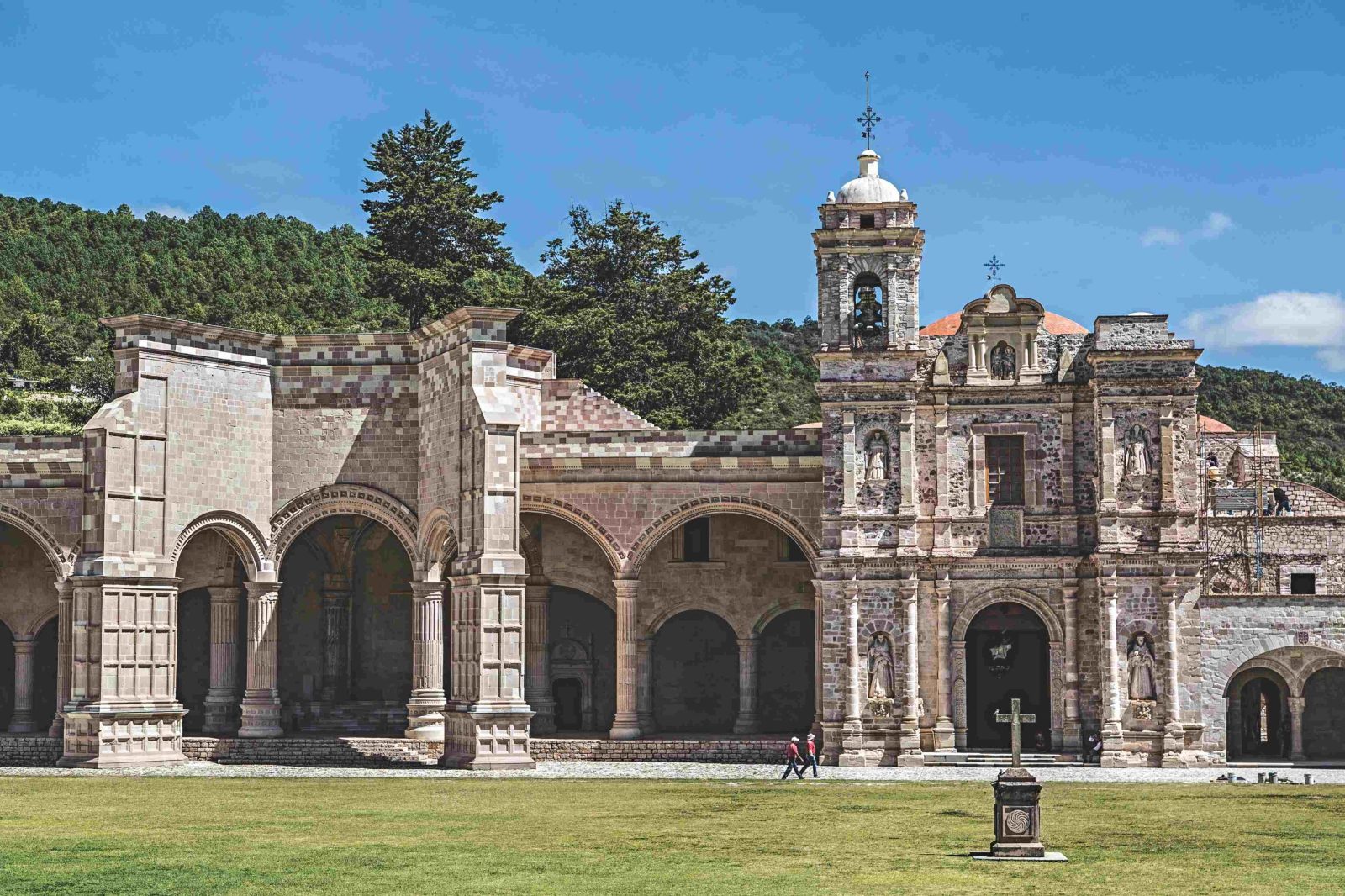
Frame the historic stone facade from the main village square. The rustic texture of the building provides a sharp contrast to the surrounding blue sky.
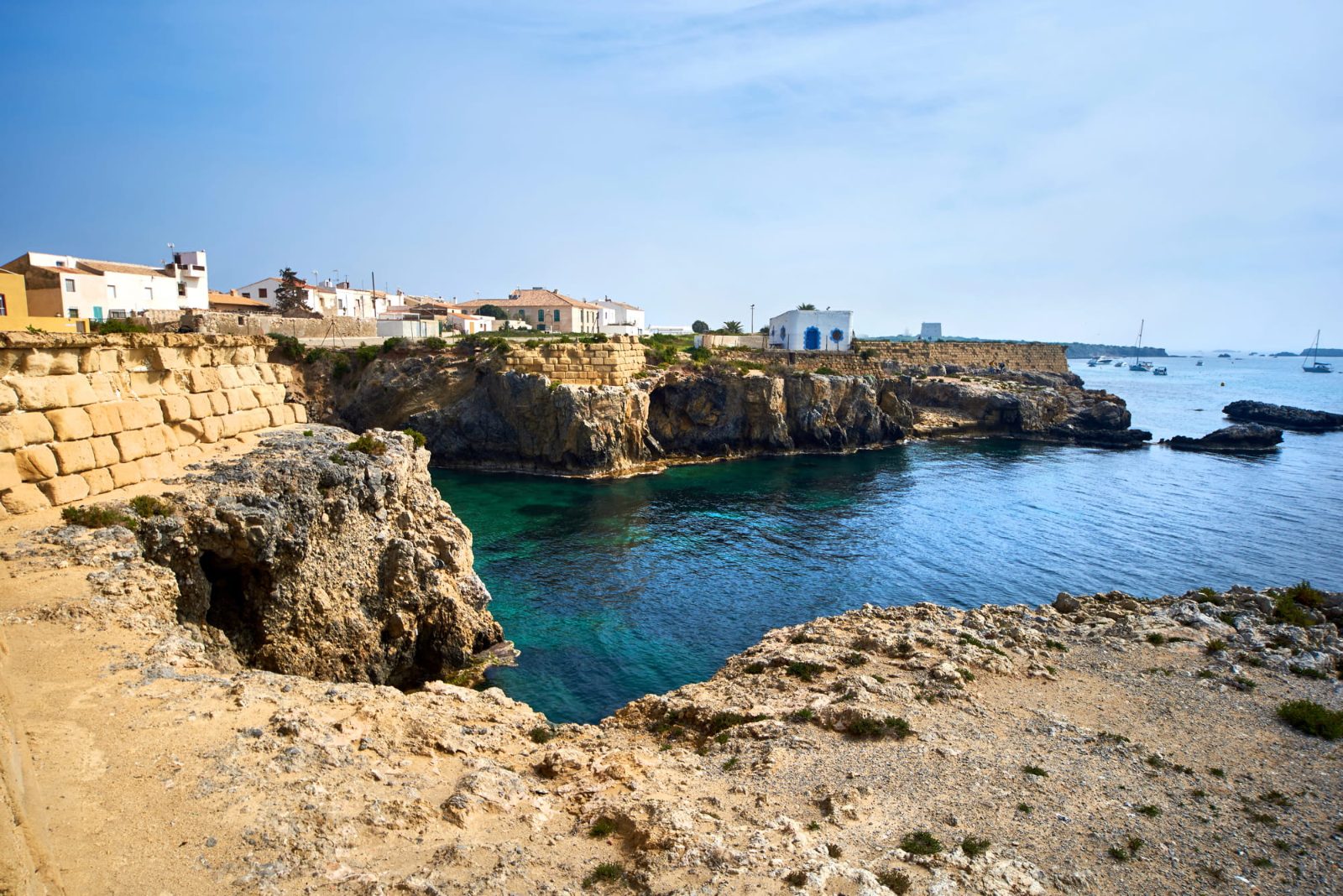
Stand along the fortifications to capture the contrast between the rough masonry and the clear water during a boat trip alicante to tabarca.
Position your camera looking down through the specialized panels on the vessel. This angle is ideal for documenting the marine reserve's underwater topography while securing your boat trip alicante to tabarca tour.
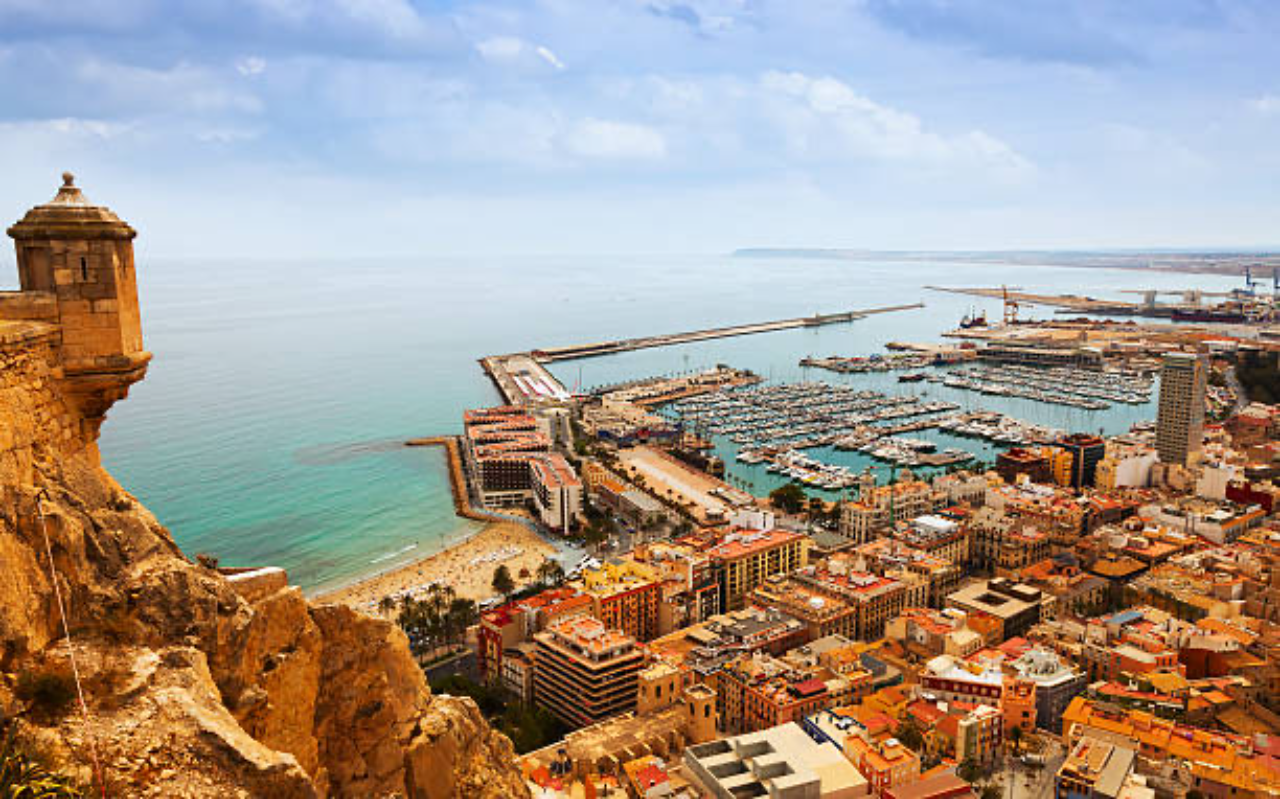
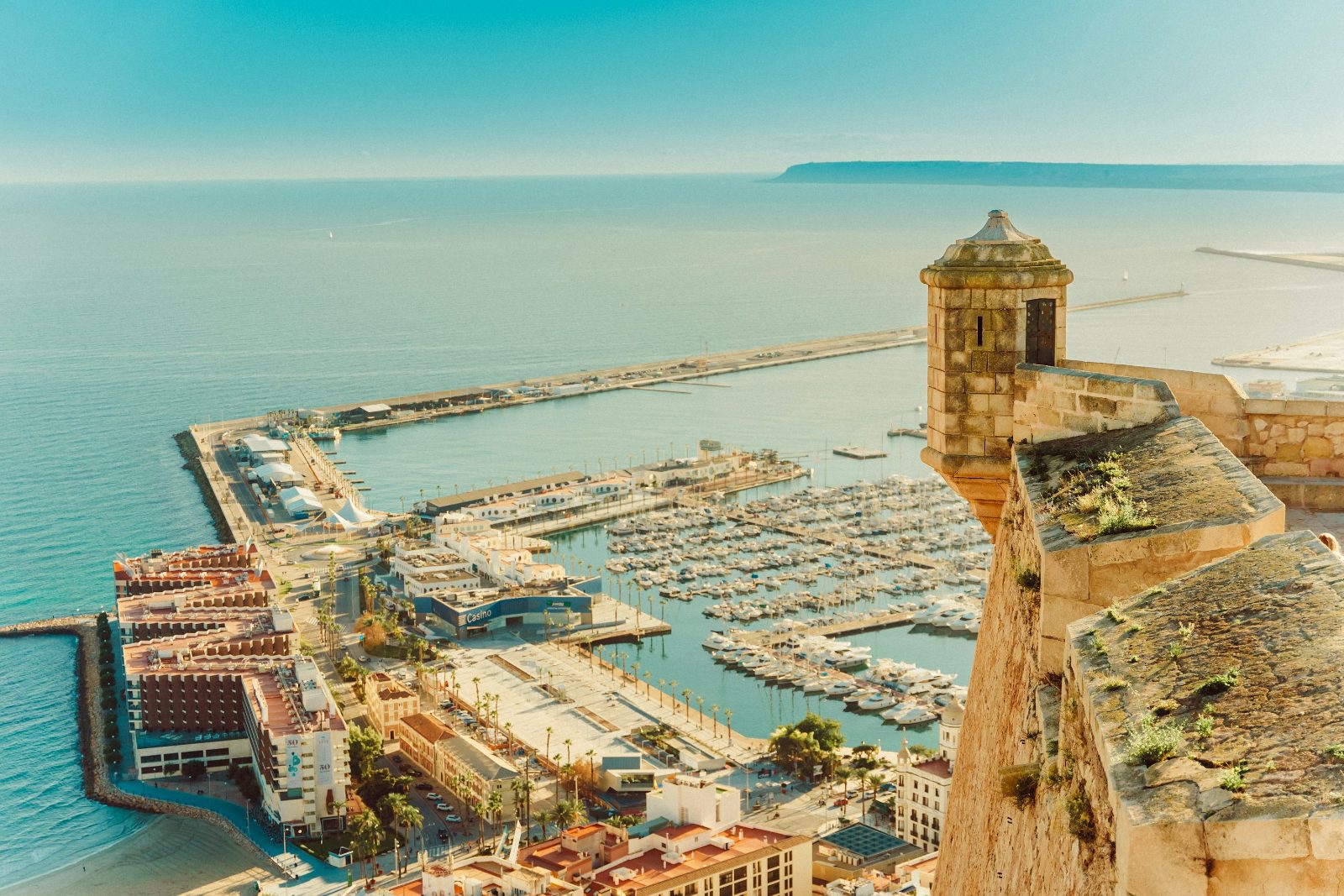
Take a wide shot of the coastline as the ferry leaves the dock to collect boat trip alicante to tabarca tickets memories. This angle captures the city skyline fading into the distance.
Taking a boat trip alicante to tabarca is a manageable way to explore the Mediterranean marine reserve with children. Families can enjoy the crossing to this historic island while keeping the schedule flexible.
Space on the vessel is limited, so compact, foldable strollers are recommended for navigating the narrow lanes of Tabarca.
Children of all ages enjoy the sea voyage, though boat trip alicante to tabarca tours are most rewarding for those who can handle the nautical transit comfortably.
Public restrooms are available on the island, but it is best to prepare for limited baby-change facilities before you board the ferry.
To maximize your time, secure your boat trip alicante to tabarca tickets early to ensure you reach the island during the recommended 10:00–12:00 window.
Pack plenty of water and snacks for the journey, as this boat trip alicante to tabarca tour focuses on island exploration rather than onboard meal service.
Dining on the island centers on traditional Mediterranean seafood, making a boat trip alicante to tabarca a culinary highlight for those who enjoy fresh catch. While boat trip alicante to tabarca tours often dock mid-day, booking tables in advance is essential to secure a spot for the local specialty, Caldero Tabarquino.
A family-run establishment known for its authentic Caldero. Reservations are highly recommended for those using boat trip alicante to tabarca tickets to ensure seating during the busy lunch service.
Everything you need to know for your journey
Food and drinks are available for purchase on board, though you may find local options on the island.
Trips are subject to potential cancellation due to weather; check with operators if conditions are poor.
The crossing typically takes about one hour each way.
While you can buy tickets at the office, booking in advance is recommended to ensure your spot on the boat trip alicante to tabarca.
Join thousands of happy travelers who have discovered this incredible experience
Book Your Experience Now